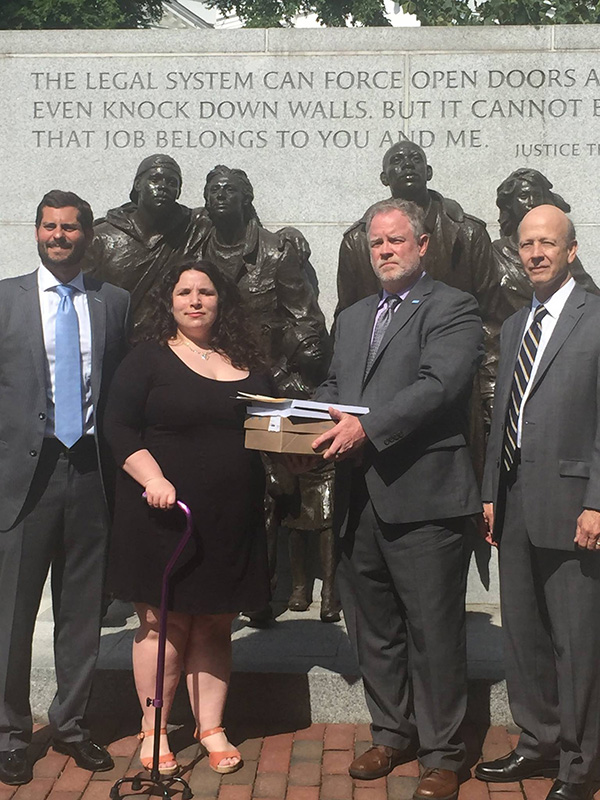
What is Advocacy?
To be an advocate is to be more than a cheerleader for a particular cause. For Mental Health Virginia, it means:
- Educating the community and policy makers that mental health is part of everyone’s health
- Offering supporting programs and resources to those who need it most
- Changing the perceptions that surround individuals affected by mental illness
- Supporting a fully funded continuum of care in each community, with less reliance on emergency rooms and hospitalization.
2026 Legislative Session
You can open the bill number hyperlink to see the latest status of the legislation (the status on the chart is updated often but not every day).
You can voice your opinion on any of the bills that are still active by contacting your legislator https://whosmy.
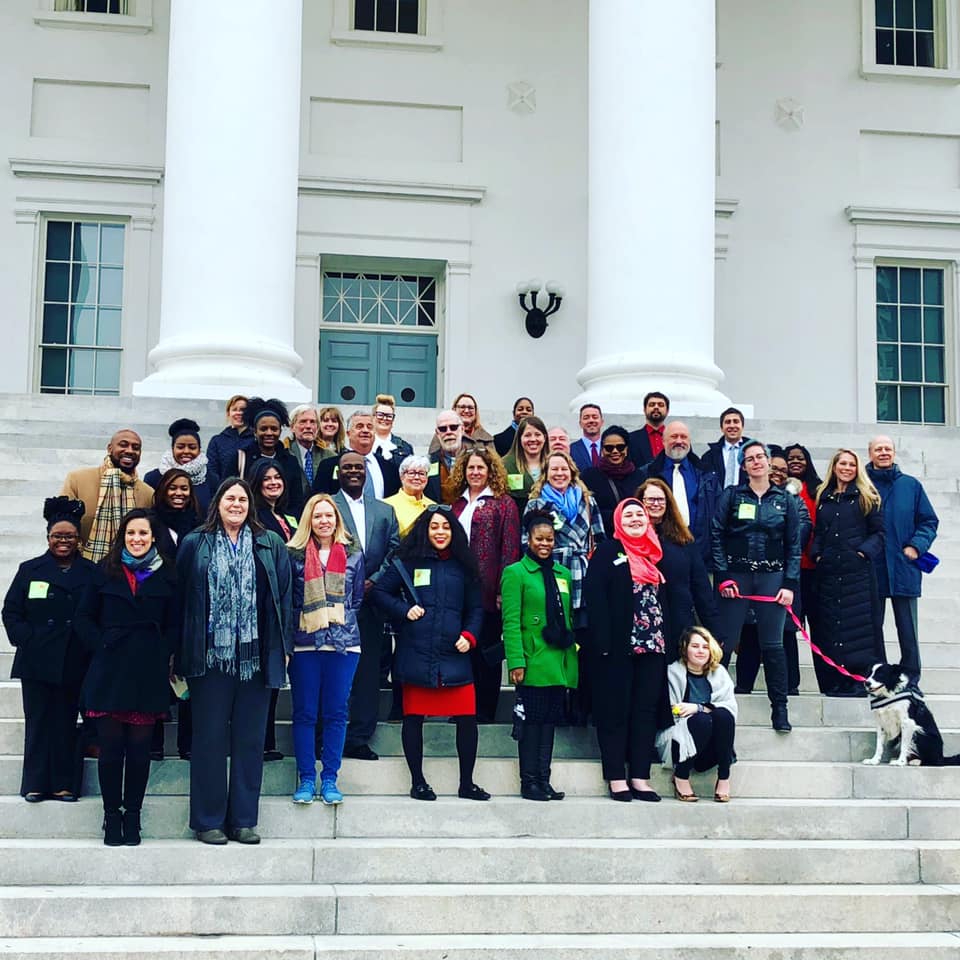
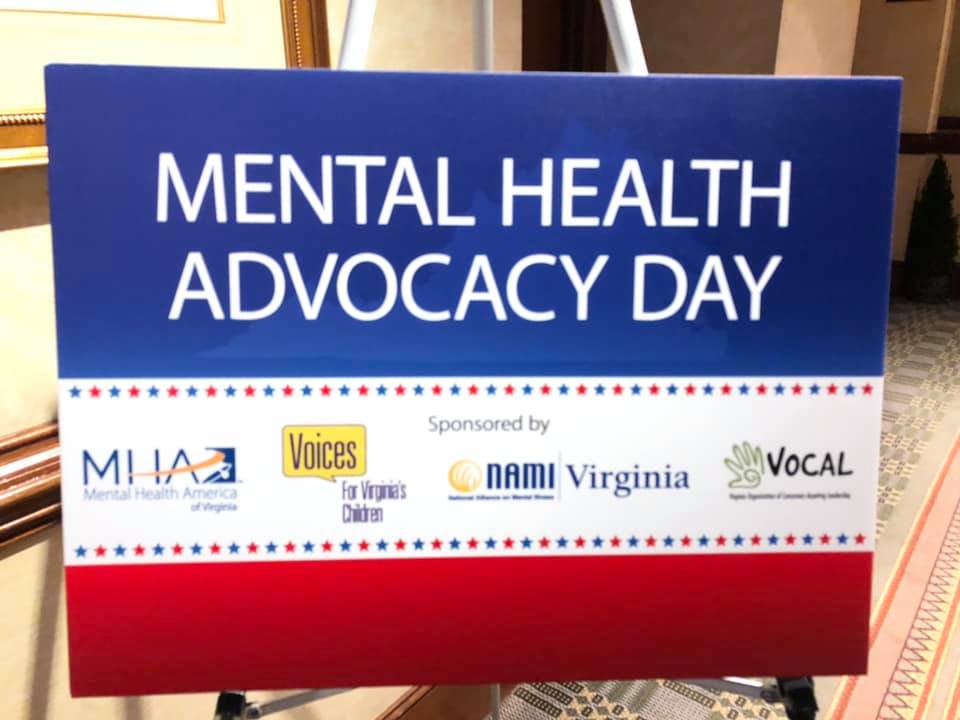
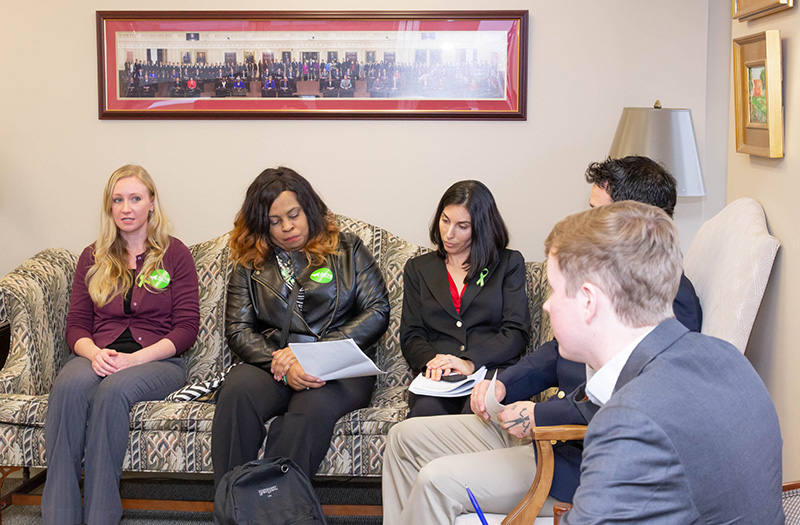
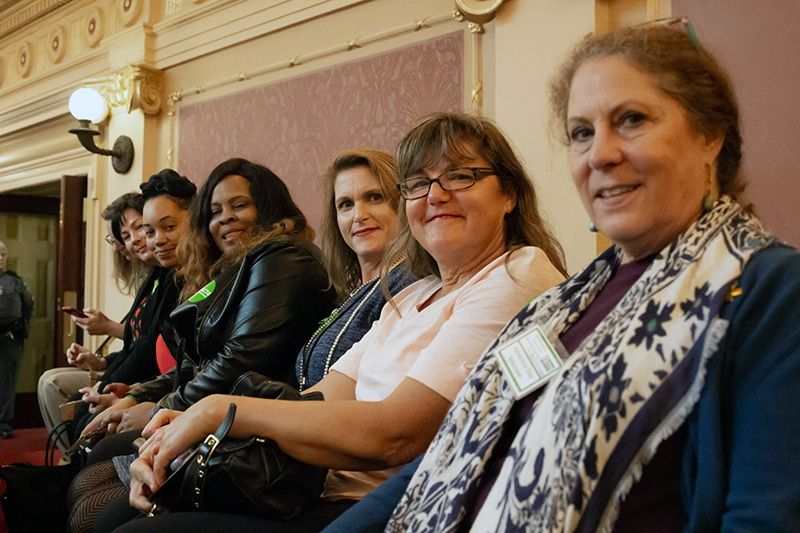
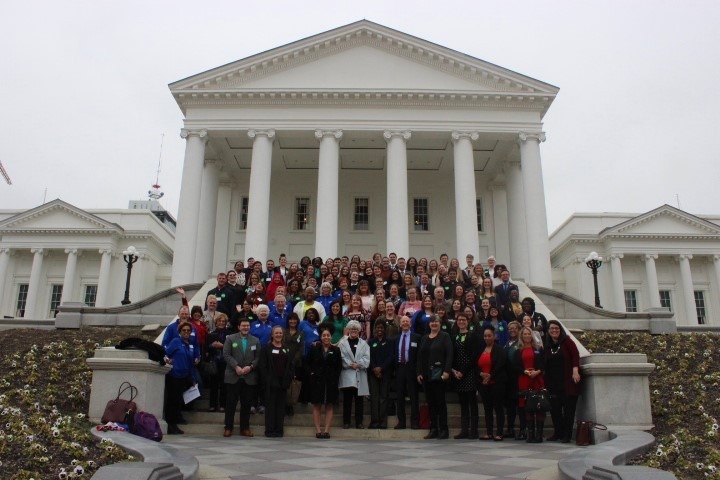
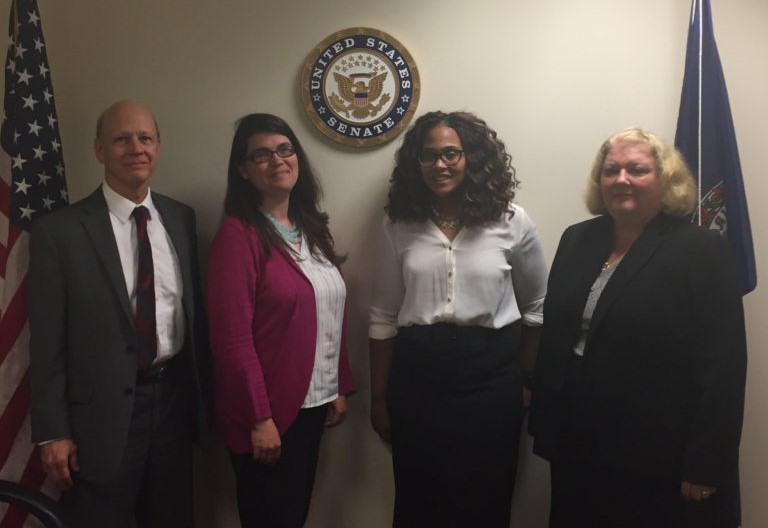
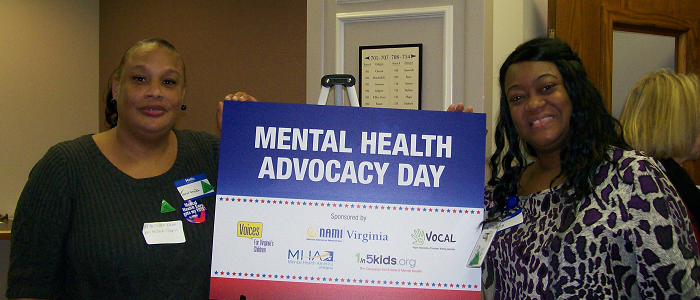
Mental Health Advocacy Day
2026 Priorities
1. Community-Based Crisis & Continuum of Care
All Virginians deserve mental health care that is accessible, community-based, and tailored to their needs.
- Fund continued expansion of crisis teams, crisis stabilization units, and peer wellness stay programs.
- Ensure statewide access to crisis and community services, focusing on underserved and rural communities
2. Decriminalization & Justice System Reform
Too many Virginians encounter law enforcement instead of care; we must expand alternatives to arrest, ensure jails meet behavioral health standards, and reform systems to reduce unnecessary criminal justice involvement.
- Decriminalize mental illness and crisis-related behaviors
- Expand crisis-diversion statewide
3. Workforce Development & Expansion
Virginia ranks 37th nationally in mental health workforce availability, highlighting the urgent need for policy action to ensure timely, quality, accessible care for Virginians.
- Continue to incentivize mental health workforce development and encourage recovery-oriented programming.
- Remove barriers to recruitment and retention, expand on proven workforce programs, and invest in critical roles such as community health workers and peer recovery specialists.
4. Prioritize Youth Mental Health Needs
Virginia’s youth rank 32nd out of 51 in mental health. With rising mental illness and limited access to care, the Commonwealth must act decisively: center their experiences, remove barriers, and invest in prevention, intervention, and quality treatment.
- Strengthen school-based mental health initiatives
- Expand crisis services and suicide prevention for youth populations
- Invest in holistic preventative factors beyond a clinical model




Legislative Advocacy 101:
Navigating the Virginia General Assembly
Join Bruce Cruser, Former Executive Director of Mental Health Virginia, for an introductory webinar designed to give you basic tools and knowledge to amplify your voice and create change.
Advocacy in Action